Introduction
Can you use a device with PTT? Doing so can cause disaster. Latency with PTT might block a Mayday call. This text explains firefighter full duplex communication. You will learn key concepts like Mesh and noise suppression. You will also see their protective features.
Why Is Full Duplex Critical For Firefighter Safety In IDLH?
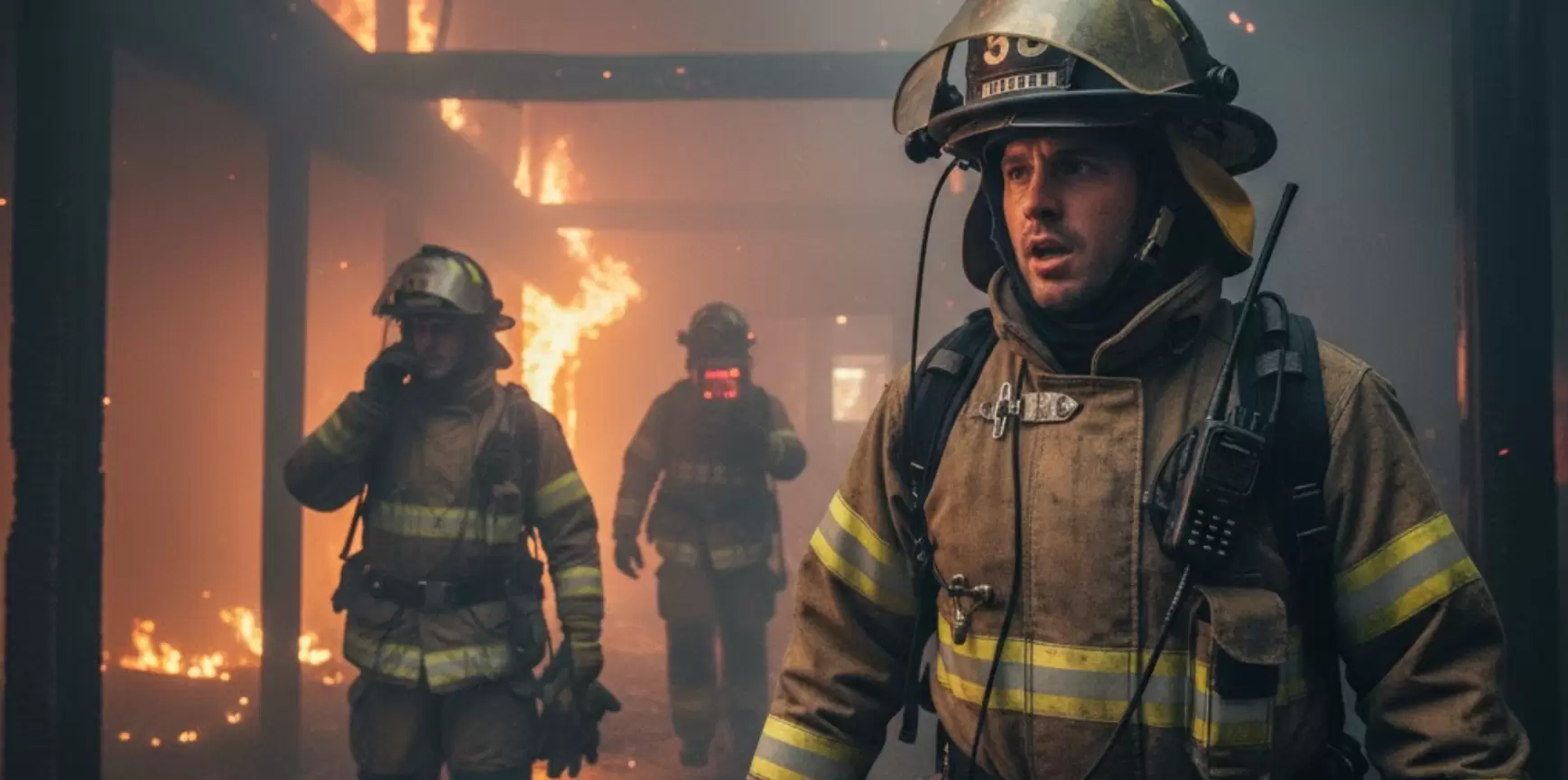
Communication in IDLH zones is essential. Saying the right things saves lives. Communication errors can also cause a loss of life. I once heard a chief say, "A 'Go' that was really a 'No' almost cost us a firefighter." That kind of miscommunication is a real threat. Such a big problem can happen in a fire. firefighter full duplex communication is the answer. It allows you to interact in real time without PTT buttons.
It also streamlines command and control operations. Plus, it assists emergency rescue squads. Full duplex means you can talk and listen at the same time. This unique feature helps you overcome missed Mayday calls. There is absolutely no delay in the transfer of critical information.
What Defines Firefighter Full Duplex Communication Systems?
Communication systems in this category have unique components. These systems are designed to give reliable voice communication in extreme conditions.
· Simultaneous Talk/Listen
This feature is unlike old Walkie-Talkies that are half-duplex radios. In those systems, just one person can talk at a time. For someone to talk, all data must be compressed. Full duplex P2P systems are different. Their transceivers handle two-way traffic at the same time. Numerous participants can engage and communicate simultaneously. This is a great full duplex communication example. The conversation is fluid, just like a phone call.
· Hands-Free Operation
Firefighters must keep their hands free to climb or use tools. PTT buttons in Push to Talk are a problem. Both systems are PTT, but full duplex is PTT hands-free. Users do not need to press a button to give a command. This means they get notifications instantly. This feature increases safety and decreases stress. Voice communication is crucial for crews operating in IDLH zones.
· Mesh Networking
These systems use Mesh networking. Mesh networking helps in complex structures like tunnels. Signals can be blocked, but a Mesh network can work around that. Nodes are able to self-heal the network. This process improves range and coverage for wide-area communication. Stretching range is key when operating in a blocked and complex area.
· 8-Channel Max
Eight channels may be used at the same time for direct 8 channel communication by multiple users. There is no limit on receptions. This setup is helpful for large teams. Numerous teams of firefighters can communicate. They can talk without cross interference. This improves efficiency.
· IDLH Rated
Radios have to withstand tough and rough working conditions. The equipment that operates must be rugged and durable. Modules sockets must be ESD protected. They also need power overvoltage protection. They must have a hardware watchdog to prevent crashes. This setup protects stable operations under extreme conditions. This protection helps full duplex communication devices work in extreme conditions. The NFPA 1802 sets new standards for this gear.
How Half-Duplex Radios Endanger Firefighters?
The Deficiencies of Half-duplex Radios. These devices on the fireground pose certain risks. These dangers show why firefighter full duplex communication is a better choice.
· PTT Delays
Within half-duplex systems, you must use the Push-to-Talk. This means you have to press a button to transmit. This action causes delays. You must wait for the channel to be free. This becomes a problem during a fire. This sort of tension between speed and effectiveness becomes tough. A good half duplex example would be a single-lane bridge with traffic.
· Blocked Maydays
For firefighters, a Mayday is possibly their last valiant attempt to survive. Unfortunately, half duplex communication can block this call. Have you ever been in a spot where someone is talking, and you cannot interrupt? Your message is an emergent one, and it must get through. There is a potential safety hazard in this scenario. Surviving a blocked channel is not possible. You can shout "Stop!" or "Watch Out!" but the system does not allow it to go through.
· Miscommunication
Risk In any interaction, speaking and listening are vital. Every communication absence is a chance to multiply the negative impact. A single bad statement gets repeated. This results in a poor consequence and a vicious cycle. A case in point is a faulty method that persisted for four decades. A lack of clarity delivered this terrible outcome. There is simplex half duplex and full duplex communication. Half-duplex most increases this risk.
· No Interruptions
Interrupting is rude in any setting. But in cases of fire and evacuation, it is life-saving. What strategy, in your opinion, does one need to employ to minimize the damage? The same frustration from the inability to correct is what we call the "mute button." Half-duplex systems suffer from these hurdles. To put it bluntly, the one who is speaking is not aware of the impending danger in your warning. This is a basic flaw that full duplex communication seeks to rectify.
· Sequential Talk
Half-duplex systems are designed for one-way communication. This design means that participants must talk and listen in turn. Such communication is not optimal. It also impedes teamwork. Effective coordination requires real-time communication. Real-time communication is more efficient. Anything done in a sequential fashion tends to be inefficient. This inefficiency can stifle rescue operations. This is why firefighter full duplex communication is a superior method.
Key Tech Behind Firefighter Full Duplex Communication!
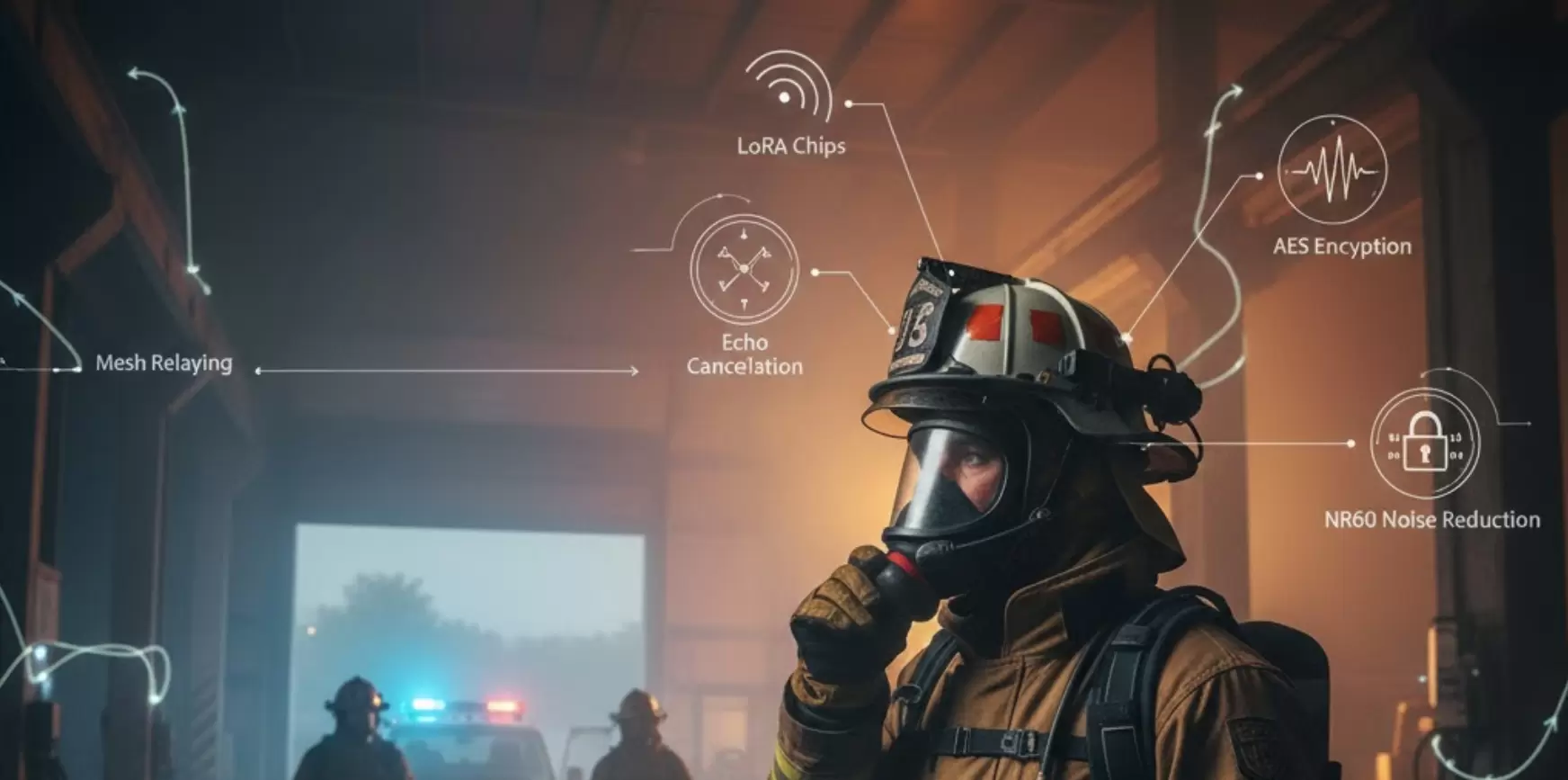
Modern firefighter full duplex communication systems use sophisticated tech. This tech transmits voices in a clear and dependable manner.
· LoRa Chips
LoRa means Long Range. This full-duplex communication technology is not power-hungry. It also has a long-range capability. This feature is beneficial for a wide area of coverage. The frequency can be varied. This variance allows for simple systems to be designed. Reliable modules from G-NiceRF often use this technology.
· Echo Cancellation
Advances in tech mean that a person can talk and listen at the same time. This ability can easily result in echo. Advanced algorithms are used for echo cancellation. This is vital for clear communication. The system clears the path. It makes sure the outgoing signal does not mix with the incoming signal. This focus on transmit signals not interfering with receive signals is crucial for optimal voice quality.
· AES Encryption
Every module must secure their communication. You must stop any unauthorized listening. These modules have AES encryption. The full meaning of AES is Advanced Encryption Standard. AES encrypts and secures any data and voice communication. This security is vital for command and even private calls. It secures sensitive information about a rescue.
· NR60 Noise Reduction
Fires are chaotic. The wind, sirens, and engines are all downright loud. Such sounds can render radios useless. Some modules have Pulse Noise Reduction. An NR60 processor is one example. This processor removes unwanted audio signals. This removal is crucial for communication in extreme noise environments.
· Mesh Relaying
In a Mesh network, relaying is done using forwarding. Each device in the network is a relay. Devices send each other signals starting from one node. This process improves the range of the network. It improves the ease of communication, too. If one node is blocked, the system automatically reroutes. This feature is vital in the tunnels and other large structures. This forms a self-organizing, self-repairing network.
Technology | Primary Function | Key Specification | Benefit (IDLH) | Relevant Module/Standard |
LoRa Chips | Long-range RF transmission | 433/868/915 MHz bands | Wide area coverage (6km+) | SA628F22 / SA628F39 |
Echo Cancellation | Prevents Tx/Rx interference | Advanced algorithms | Clear simultaneous talk/listen | SA628F30 / SA618 Series |
AES Encryption | Secures voice/data | AES (Advanced Encryption Standard) | Prevents eavesdropping | SA618 Series / SA628F30 |
NR60 Noise Reduction | Filters background noise | NR60 processor | Filters sirens/PASS/engines | SA628 Pro Series / SA628F22Pro |
Mesh Relaying | Extends network range | Self-organizing/Self-healing | Reroutes blocked signals | SA618/SA628 Series |
Core Technologies in Firefighter Full Duplex Communication (G-NiceRF SA Series)!
Overcoming Noise: Full Duplex Vs. Analog In Fires!
Digital P25 radios have a hard time in loud, busy areas. They face more noise than other systems can.
· Vocoder Limits (P25)
P25 digital radios use a vocoder. A vocoder changes a voice signal into digital data. With Fireground noise, a vocoder does not work that well. It does not separate sound from voice. It assigns a wrong digital value to the signal. This leaves uninterpretable audio. This is not a good scenario. A lack of clarity on audio matters is not safe. G-NiceRF systems focus on ensuring voice clarity. They resolve this specific problem for firefighter full duplex communication.
· PASS Device Issues
A PASS device makes a loud alarm. This high-frequency noise is bad for digital radios. As FireRescue1 magazine notes, "The P25 vocoder was not designed to operate in the high-background-noise environments encountered on the fireground." The P25 vocoder does not work well with this sound. It makes the audio unusable. This can block a Mayday call. A scenario where a firefighter needs help but cannot transmit is now possible. This is something digital P25 suffers from. This is never a problem with analog systems.
· SCBA Distortion
When firefighters wear SCBA masks, they deal with speech distortion. The noise that is exhaled from the facepiece is difficult to work with. Digital radios suffer a lot from this problem. The digital speech codec does not work as well. Therefore, the quality of the speech becomes damaged. It is not strange that G-NiceRF focuses more on the analog side.
· Digital Artifact
When comparing digital radios to analog radios, the way they lose a signal is different. For analog, the noise starts faint and grows in volume. This provides some sort of warning. But in digital, the audio remains clear and then suddenly fails. When the signal is weak, this distortion is a digital artifact. All audio is lost quickly, which gives no warning.
Tips For Implementing Firefighter Full Duplex Communication!
Implementing firefighter full duplex communication must be well organized. This is a critical step for successful implementation.
- NFPA 1802: Gear Purchase equipment that is compliant with NFPA 1802. This includes radios designated for the hazard zones.
- User Training: Training is vital. Use the IAFF program and RAPS FGS to practice Mayday procedures.
- Radio Placement: Location of the radio is vital. My own crew learned the hard way to protect their gear. We now train to place the radio in a lanyard or pocket. This simple step prevents heat damage.
- Accessory Checks: Be sure that all Remote Speaker Microphone (RSM) accessories are functioning. RSMs are prone to melting. RSM cords are also prone to melting.
- Scheduled Exercises: Incorporate radios into exercises with any type of equipment. Do this during any kind of event. Practice while dressed in all safety gear. This aids in developing muscle memory.
Does NFPA Mandate Full Duplex For IDLH Operations?
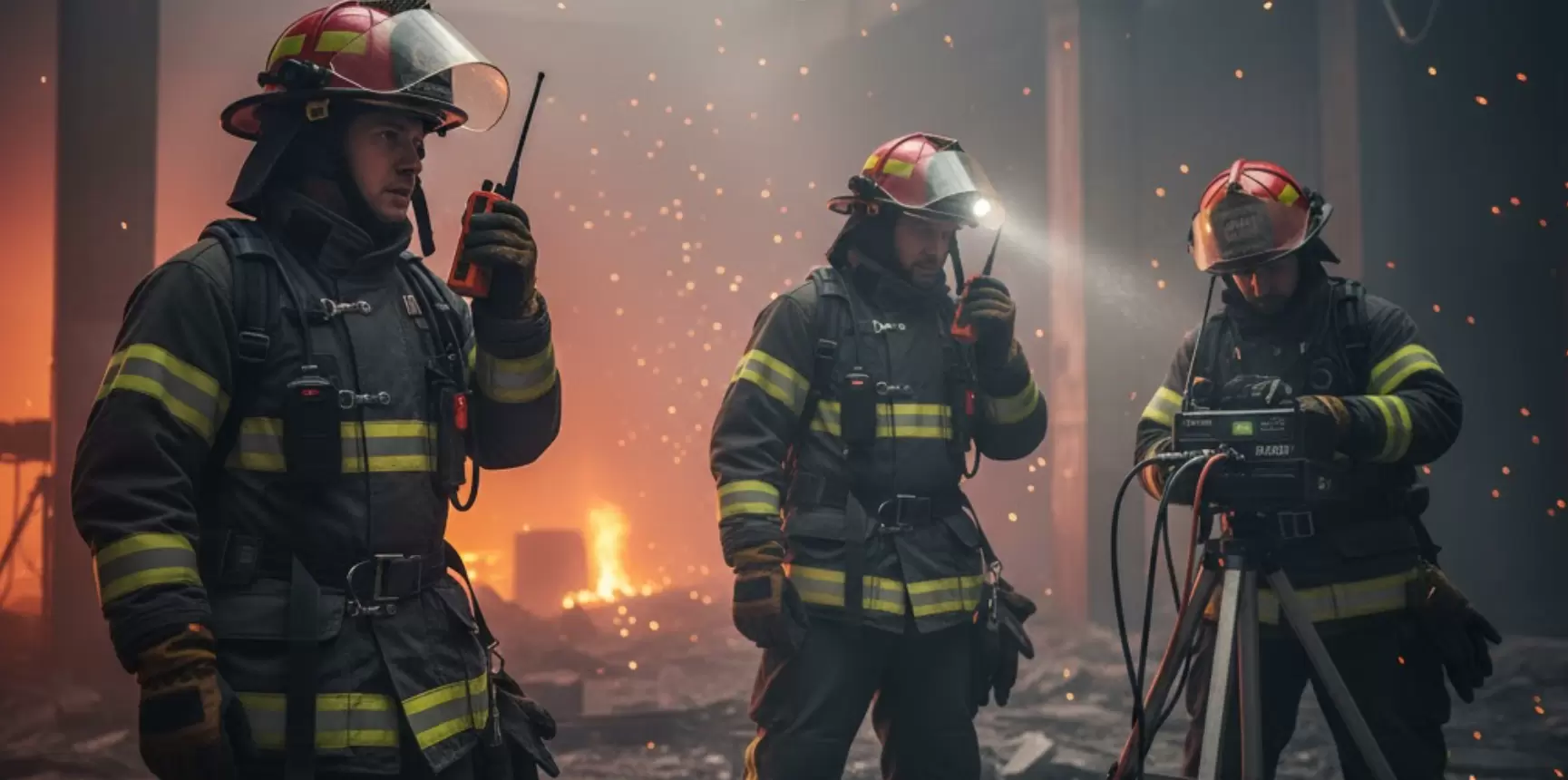
The NFPA has a list of requirements for safety protocols. These requirements are, however, rather perplexing about communication devices.
· NFPA 1561 Radio Requirements
NFPA 1561 deals with communication during fire incidents. The standard has specific requirements for IDLH areas. It states that at least one member of a crew must have a radio. Every other crew member must have a radio or another means of electronic communication. The standard does not specify a full duplex radio. It merely requires a communication device.
· NFPA 1221 Analog Tactical Channel
NFPA 1221 also deals with communication for operations. It states there is a designated channel for on-scene communication. This is known as the tactical channel. This tactical channel must be capable of simple analog mode. This is the basic standard to follow. This standard is set because analog is extremely reliable in high background noise. The standard does not state or suggest full duplex is required.
· No Full Duplex Mandate
There is no specific requirement for full duplex communication. The NFPA standards do not require it. They only set a minimum requirement, which is an analog simplex. However, full duplex communication offers more safety. It solves the problem of people talking over one another on analog simplex. It is an upgrade, not a mandate.
· Focus On Reliability
The NFPA's goal is reliability. The radio is a lifesaver. It has to perform in extreme environments. This is the reason NFPA 1802 was developed. The standard has rules for thermal performance. These rules focus on the radio surviving extreme heat. What type of duplex it is does not matter, as long as the radio works. G-NiceRF builds modules for this type of reliability.
· Interoperability Needs
Fire departments communicate with other agencies. This is called interoperability. Interoperability is an essential component of NFPA standards. These standards require systems to be developed for it. The P25 standards were designed for this purpose. But P25 has significant issues with noise. firefighter full duplex communication systems can also be interoperable. However, they need to be part of the regional plan.
FAQs!
The following contains answers to common questions. These answers address gear, P25, and safety standards.
Do SCBA Masks Affect Radio Signals?
Yes, SCBA masks do affect communication. The mask facepiece physically distorts speech. Words become hard to make out. This distortion is problematic for digital radios. The digital voice codec is imprecise. It impacts speech intelligibility. Voice amplifiers do help. But full duplex communication examples show this is still a factor.
What Is P25 Digital Radio Weakness?
Most P25 weaknesses center on background noise. The vocoder is not designed for fireground noise. In fact, a U.S. Fire Administration report stated, "The P25 vocoder is unable to differentiate the spoken voice from the high background noise." Loud sounds like PASS devices or saws make it fail. The vocoder cannot separate the voice. The noise becomes unintelligible. This is a large issue for safety. Other analog devices do not have this issue.
How Does Mesh Help In Buildings?
Tunnels and buildings block off radio signals. A Mesh network helps with this. It uses automatic signal relaying. Each radio or node is capable of defining the path. If a signal is blocked, the system finds a new route. This is a self-repairing network. Coverage and stability are enhanced. It preserves robust interconnections in intricate configurations. This makes Mesh a key part of firefighter full duplex communication.
Is AES Encryption Standard On Fire Radios?
AES Encryption is not standard on all radios. However, it is accessible as an option on many radios. It is not standard, but it is very essential. It encrypts voice and data. This prevents unauthorized access and eavesdropping. Many high-tier public safety radios support it. But it is necessary to have the radio programmed to use it. This programming is essential for sensitive operations.
What Does NFPA 1802 Radio Standard Cover?
NFPA 1802 is a newly formed standard. We just adopted NFPA 1802 for our new gear purchases. It provides the first minimum requirements for portable radios intended for use in the hazard zone. The standard addresses thermal performance. It sets maximum heating thresholds. It also addresses ergonomics. This includes using radio knobs while wearing protective gloves. Like most safety standards, it is aimed at safety. It is not aimed at the type of duplex for firefighter full duplex communication.
Conclusion
Half duplex communication is dangerous. PTT delays and blocked Maydays risk lives. This upgrade is essential for first responders. With firefighter full duplex communication you speak continuously, hands-free, keeping teams safe. Check the solid modules from G-NiceRF. Visit their site for other great alternatives.


 English


 +86-755-23080616
 sales@nicerf.com