

 English


How to choose antenna for 2.4 GHz module
About how to choose an antenna for a 2.4 GHz module, this article will answer it.
Sep . 2025
Successful integration of the DMR858M module hinges on following several key engineering practices: designing a robust power supply system capable of handling high transient currents; implementing the correct serial communication checksum algorithm according to the official documentation; and adopting a structured, non-blocking firmware architecture to ensure the system's real-time responsiveness.
As a highly integrated DMR subsystem, the DMR858M, with its 5W high transmit power and onboard AMBE++ vocoder, provides developers with a shortcut to building professional-grade digital communication products. It addresses the core pain points of communication range and open-source compatibility, allowing developers to focus their efforts on creating unique user experiences and application features.
After mastering basic communication and control, developers can furtherleverage the module's advanced features to build more complex applications:
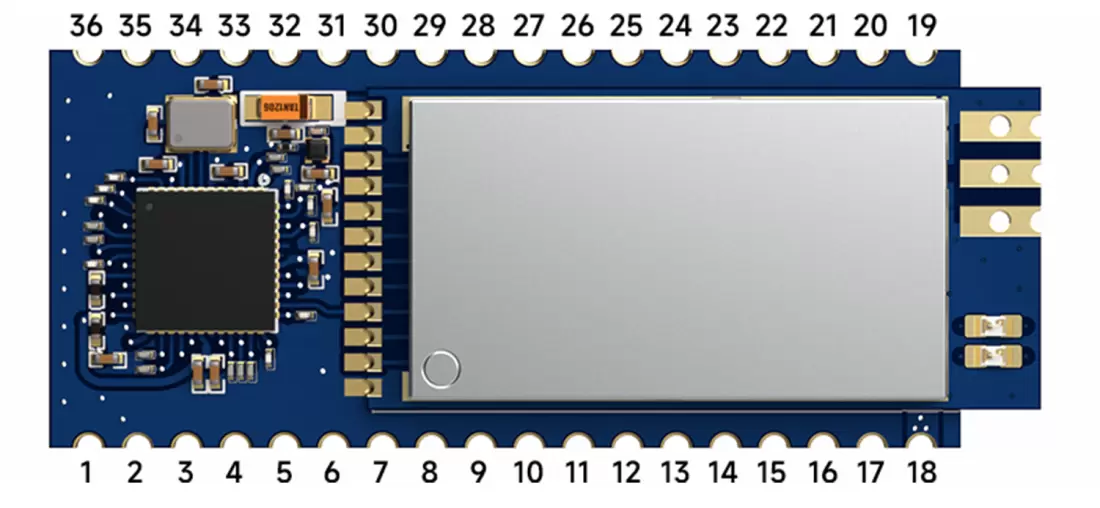
Low-Power Operation: For battery-powered devices, power consumption is critical. By controlling the CS pin (pin 3), the module can be put into a deep sleep mode, where current consumption is less than 0.1mA. Waking it up only when communication is needed can significantly extend the device's battery life. Additionally, the module supports a duty cycle working mode, entered via the CMD=0x0C command, which automatically switches between sleep and active states to maintain reception capability while further optimizing power consumption.

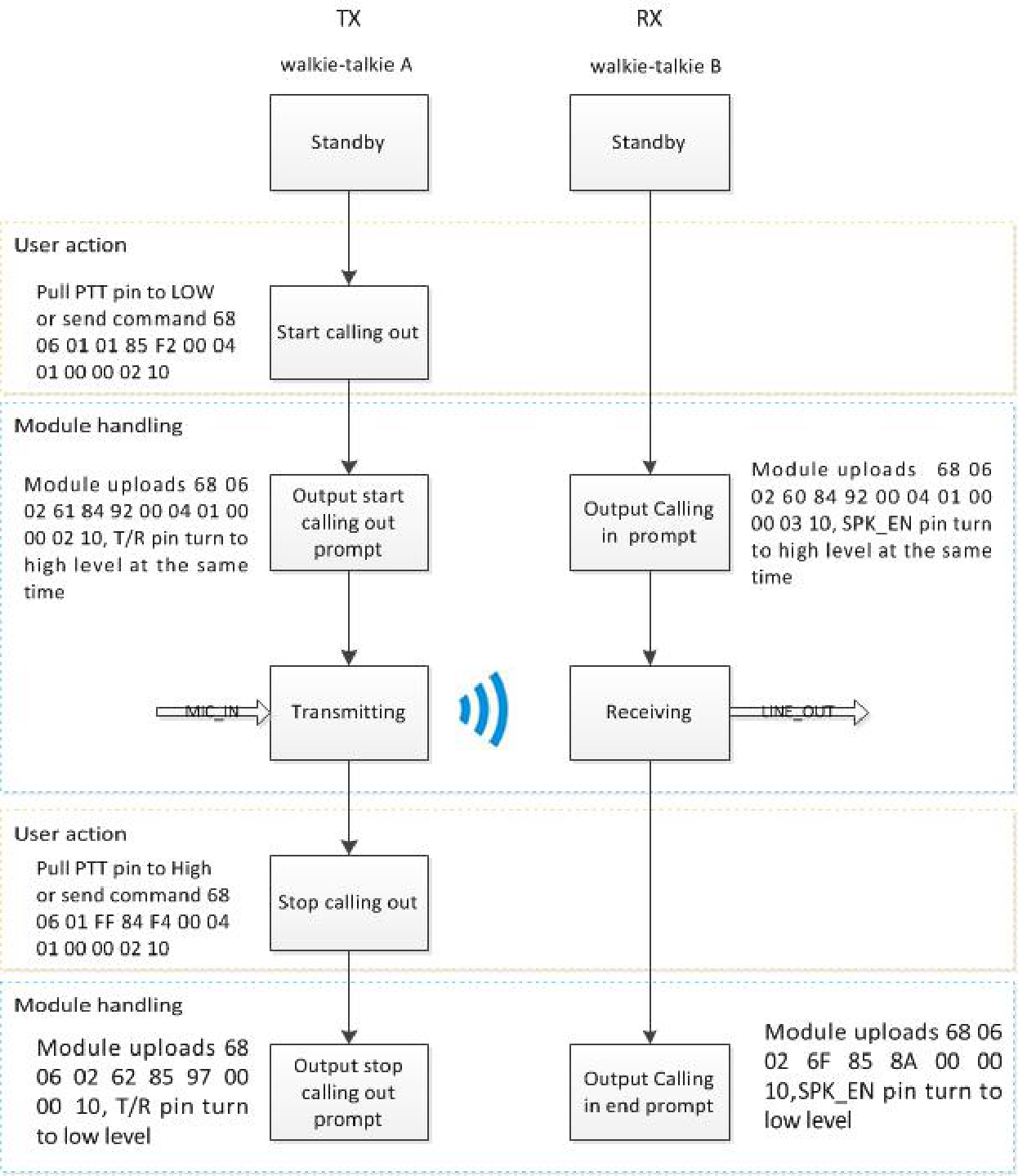
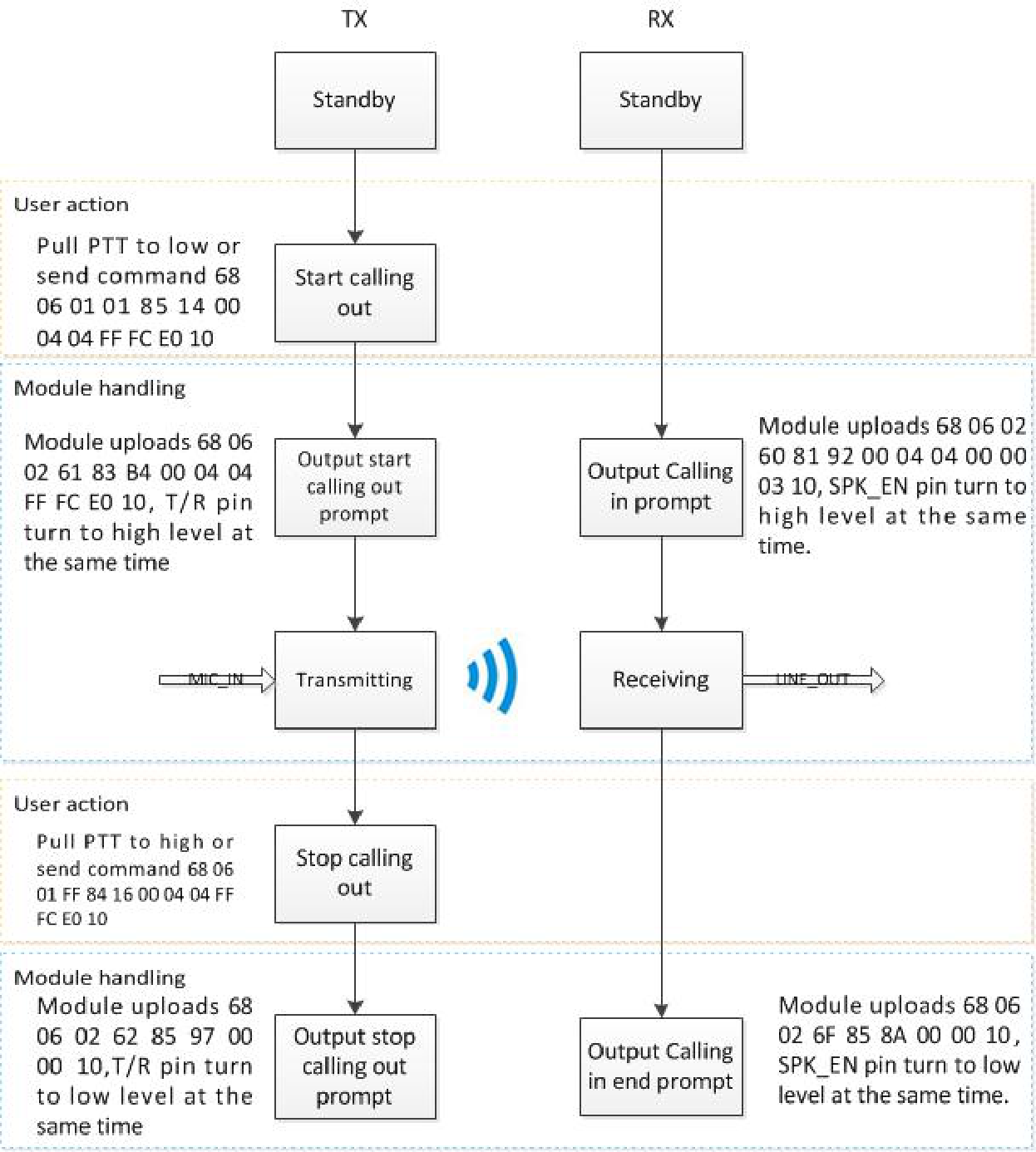
DMR Advanced Calling: In addition to the default group call, the DMR protocol supports Private Call and All Call. By using commands like CMD=0x18 (Set Contact) and CMD=0x22 (Send Contact Info), more flexible call control can be achieved.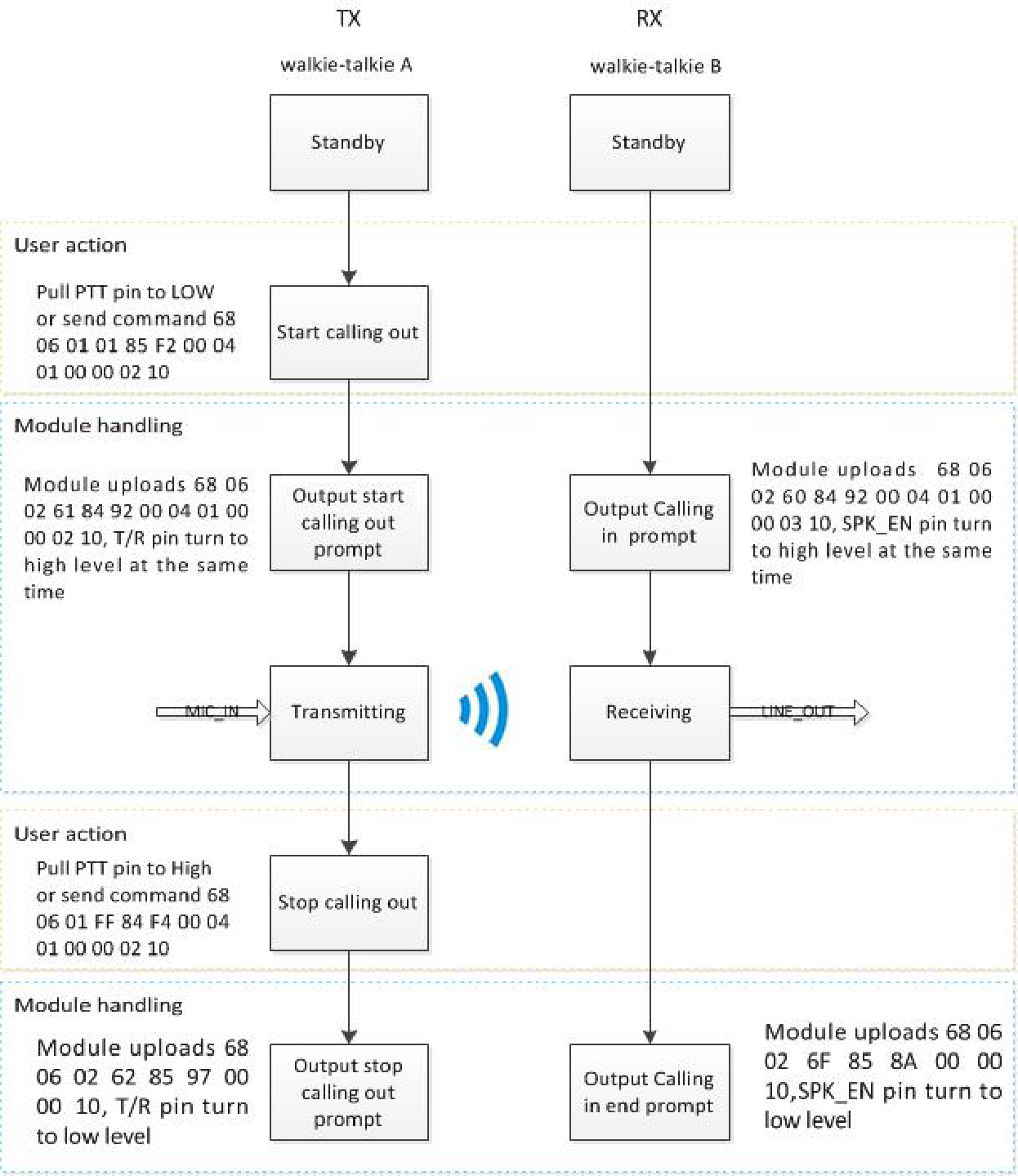
DMR SMS Functionality: The module supports sending DMR text messages via the CMD=0x07 command, enabling text data exchange between devices. This opens up possibilities for Internet of Things (IoT) applications or scenarios requiring short command transmissions.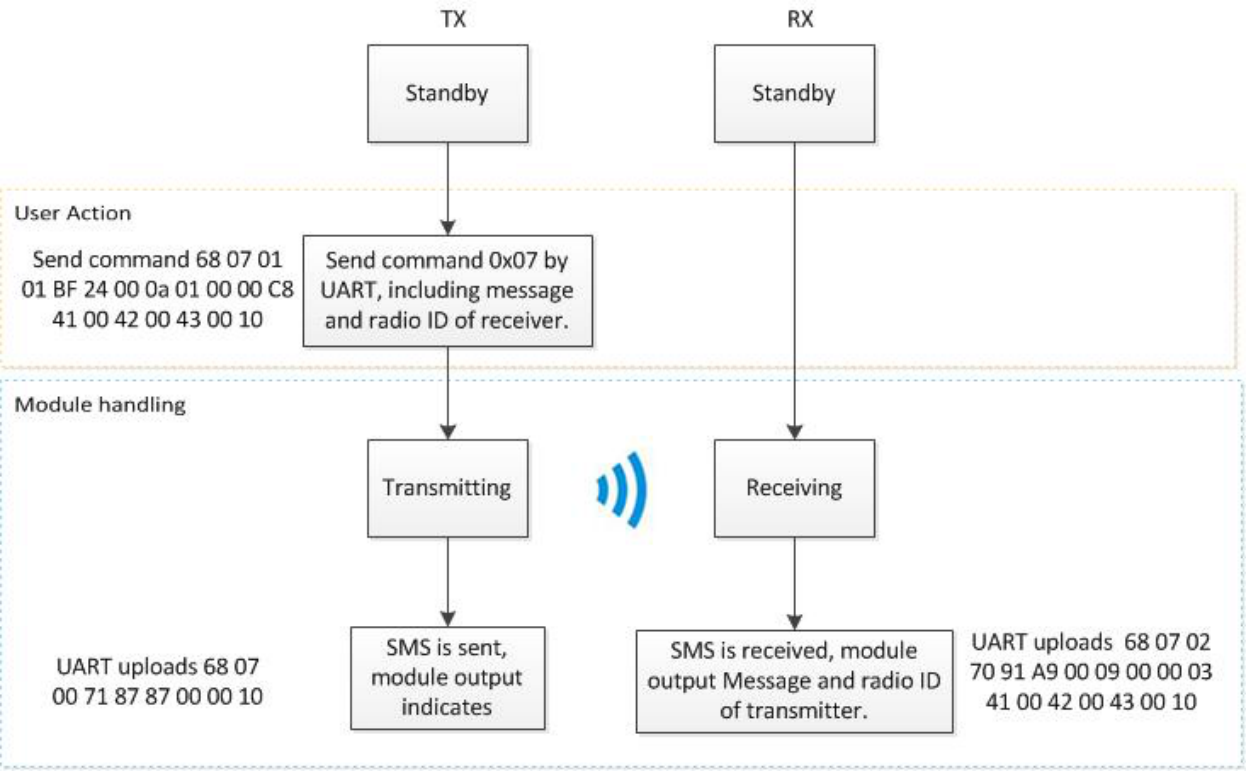
Emergency Alarm Function: Using the CMD=0x09 command, an emergency alarm signal can be sent to a specified group ID, useful for scenarios requiring a rapid response.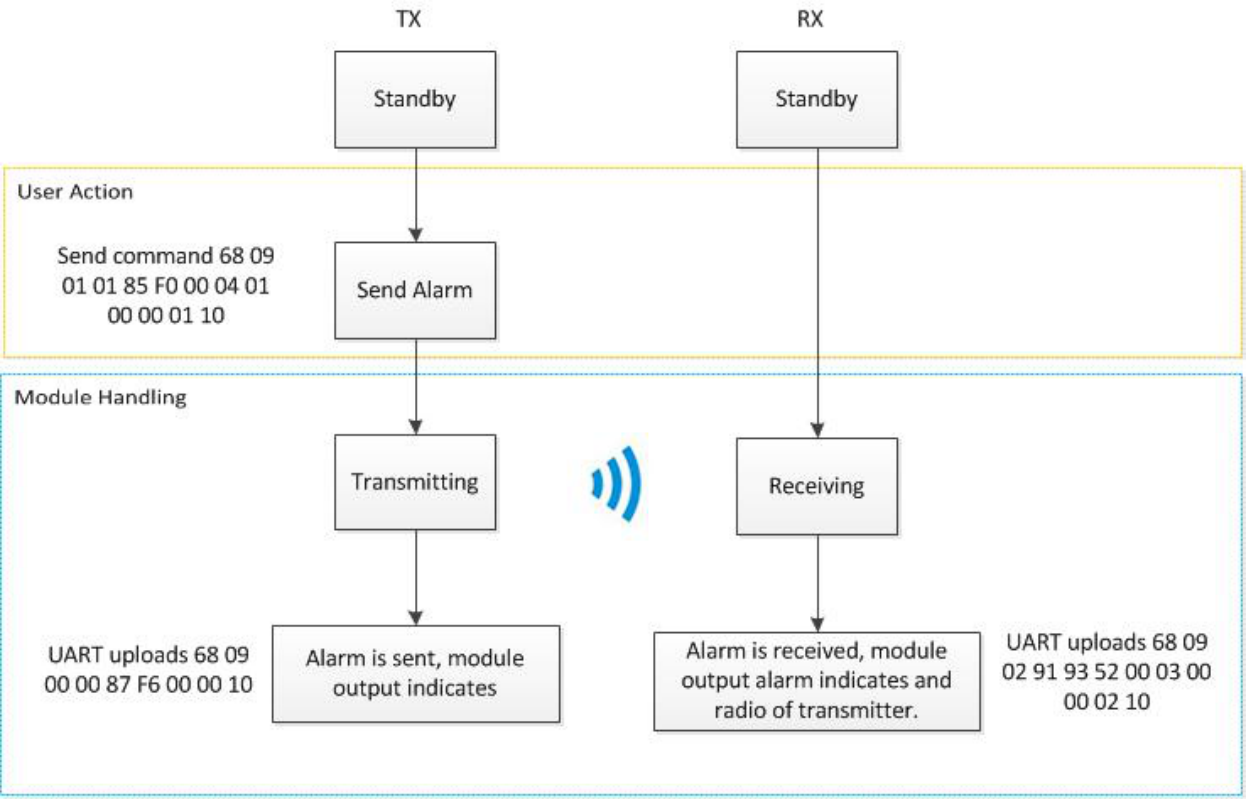
Voice Encryption: For applications requiring secure communication, the CMD=0x19 command can be used to enable or disable the built-in voice encryption feature, providing basic privacy protection for calls.
Repeater Mode: The module supports entering repeater mode via the CMD=0x0E command, allowing it to communicate through a repeater to extend its communication range. This mode requires different transmit and receive frequencies.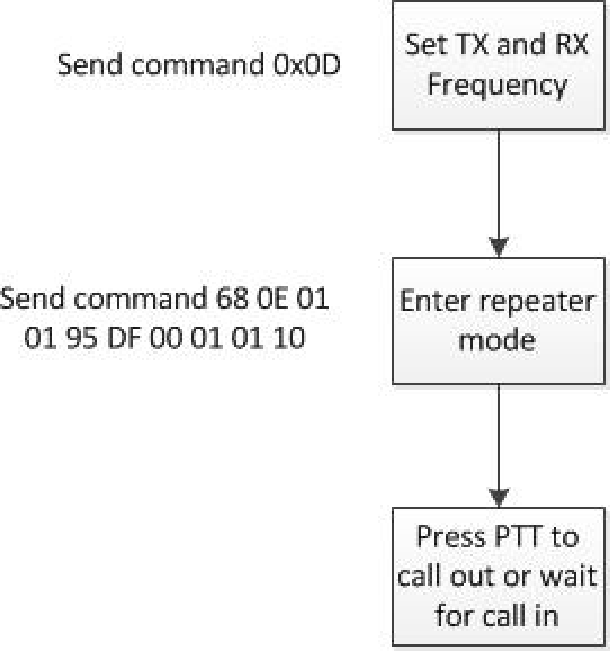
Part 1: In-depth Analysis of the DMR858M Module
Part 2: Hardware Integration and Reference Design
Part 3: Deconstructing the Serial Control Protocol
 +86-755-23080616
 sales@nicerf.com
Website: https://www.nicerf.com/
Address: 309-315, 3/F, Bldg A, Hongdu business building, Zone 43, Baoan Dist, Shenzhen, China

Privacy Policy
· Privacy Policy
There is currently no content available
Email:sales@nicerf.com
Tel:+86-755-23080616